
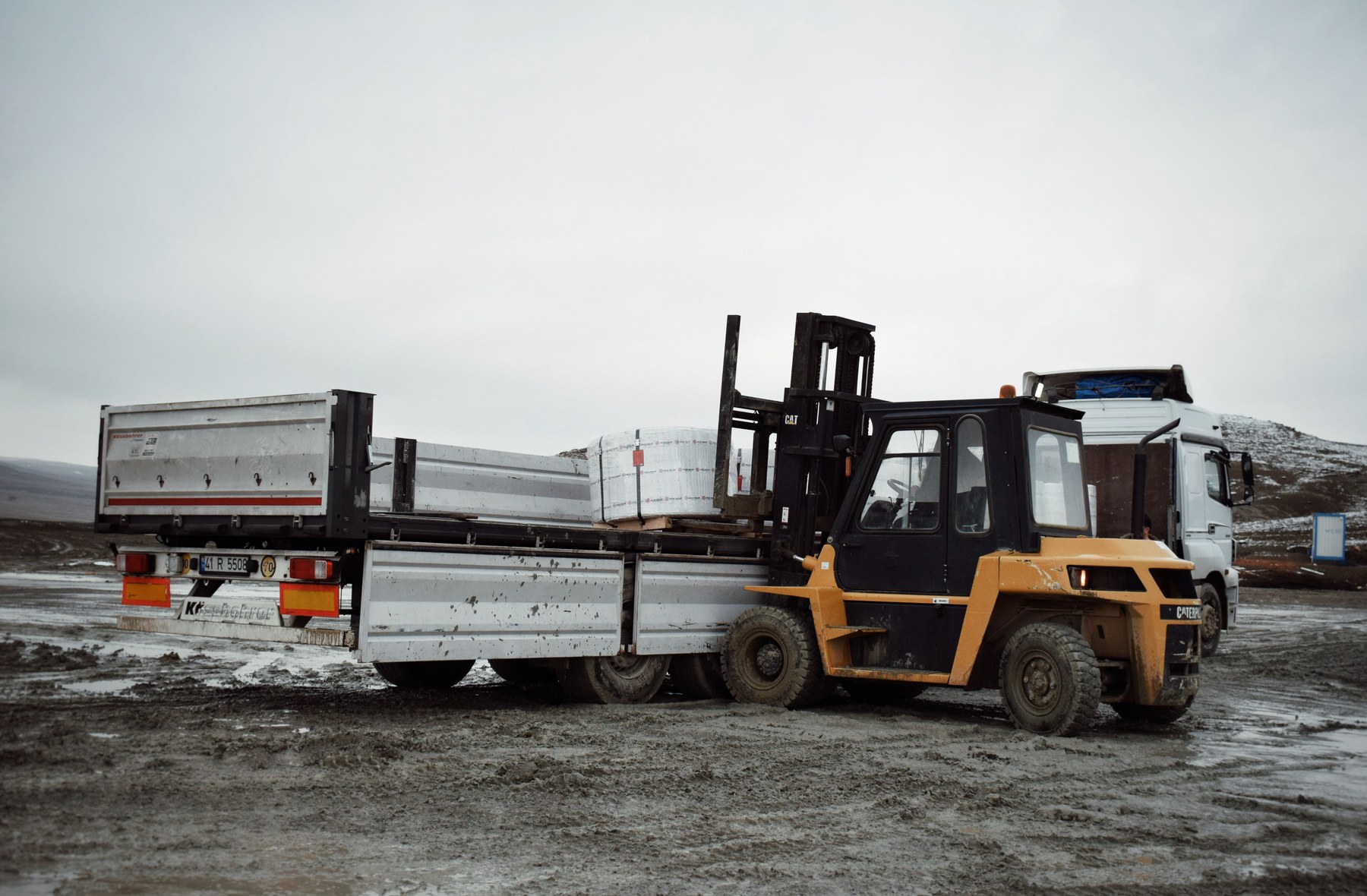
A freight booking can contain the right carrier name, a plausible registration number, an insurance certificate and a collection time. Those fields can all be populated without establishing that the person requesting the load is authorized to collect it. That is the uncomfortable distinction cargo MGAs need to bring into their underwriting and distribution conversations.
The issue is not whether digital placement is desirable. It is whether the insurance workflow and the freight workflow are being asked to prove different things, and whether anyone has made the gap explicit. A system can successfully price a shipment while relying on an identity assertion that another participant has not independently checked.
MGA Index’s thesis is that pickup verification should be treated as an operating dependency of the risk, not dismissed as a separate cybersecurity problem. That does not make the MGA the dispatcher, the warehouse supervisor or a guarantor against fraud. It does mean understanding who performs the check and what happens when the facts change between booking and collection.
The loss evidence concerns impersonation, not just forced entry
TT Club’s June 2026 On Risk bulletin analyzes its global dataset of more than 750 theft-related claims recorded in 2025. It attributes 32% of those claims to fraudulent carrier activity and reports that 90% of the fraudulent-carrier incidents occurred in the United States. These are insurer-reported observations from that dataset, not percentages of all shipments, all cargo claims or the entire cargo insurance market.
That distinction limits what management can infer. The figures do not establish a loss probability for a particular insured, prove that a technology caused theft or justify applying one surcharge across a portfolio. They do establish that this insurer’s observed theft experience includes a substantial identity-related mechanism. A security discussion confined to locks, parking and route selection would not address that mechanism on its own.
For an MGA, the useful next question is therefore not simply whether a prospect has a written anti-fraud policy. It is whether the operating model makes that policy executable when a booking changes, a new contact intervenes or staff are under pressure to release goods. The answer needs to describe actions and ownership, not just an assurance that a vendor screens carriers.
A genuine company can be part of a false transaction
FMCSA’s broker and carrier identity-theft guidance, updated April 7, 2025 and checked for this article, warns about unauthorized use of a carrier’s USDOT number. It also warns that insurance certificates can be fraudulent. The agency recommends comparing contact numbers with SAFER records and, where they differ, calling the number listed there to discuss the load. At collection, its guidance calls for comparing the truck’s identity with the contracted carrier and retaining relevant vehicle information.
FMCSA also cautions that a real carrier or broker involved in a fraudulent load may itself be a victim. A discrepancy should therefore trigger investigation, not a public accusation. The guidance is a prevention resource, not a guarantee that any one database or document eliminates impersonation.
MGA Index analysis: checking that a business exists and checking that a particular instruction comes from that business are separate tasks. Copying valid registry details into a booking does not create an independent chain of confirmation. Neither does using a callback number supplied only in the message being questioned. The operating design should identify which information is trusted, how it is refreshed and who can resolve a conflict.
Embedded insurance proves something different
Loadsure’s current Thames product page describes per-load cargo certificates issued in under 60 seconds, through its portal or transportation-management integrations. That is a company-reported service proposition. The same page makes coverage subject to policy terms, conditions, exclusions and limits. It does not claim that issuing a certificate independently authenticates the party collecting the freight.
The example illustrates a boundary, not a criticism of Loadsure’s controls or a report of a loss. An insurance certificate records an insurance transaction. A pickup decision concerns a physical transfer. Those events may share data and software, but their evidentiary purposes are not interchangeable.
An MGA considering an embedded distribution partnership should make that boundary visible during implementation. Which shipment fields are asserted by a customer, which are checked by the logistics partner, and which are merely carried through from another system? If a carrier substitution occurs after insurance placement, does anyone receive an exception signal? The answers may sit outside the MGA’s own platform, which is why contracts, operational relationships and escalation routes matter alongside APIs.
Define the verification handoff before the loss handoff
MGA Index proposes five questions for underwriting and partner reviews. They are an operating framework, not universal policy conditions or a legal compliance checklist. The appropriate depth depends on the freight, the insured’s role and the control the parties can actually exercise.
- Ownership: Who is responsible for confirming the collecting party, and can the release team reach that person when there is a mismatch?
- Independence: Which evidence comes from a trusted route outside the disputed communication, and how is the basis of that trust documented?
- Change: What happens when the carrier, driver, contact details, destination or collection instructions change after the original booking?
- Decision: Who can pause release, who can resolve the exception and what evidence is needed before work resumes?
- Record: Can authorized reviewers reconstruct what was known, checked and approved at the time, without collecting unnecessary personal information?
The value is in the connections between those answers. A warning without a reachable decision-maker can become a delay that staff learn to bypass. An escalation owner without access to the original instruction cannot resolve the conflict reliably. A completed checklist without a time and source may say little about whether the evidence was current.
These questions should inform risk selection and partner oversight without silently rewriting cover. If a control is intended to affect coverage, its treatment belongs in the agreed policy and underwriting process, with appropriate professional review. A loss-prevention conversation should not become an improvised claim exclusion after the event.
Measure whether the control works, not how often it fires
A useful management view would separate changed instructions, unresolved mismatches, escalations completed before release and false alarms that caused avoidable delay. These are proposed measures, not reported results from the organizations cited. Their purpose is to distinguish a functioning intervention from a dashboard full of warnings.
Test the handoff with an authorized tabletop exercise. Introduce a hypothetical late carrier substitution and ask each participant to explain the next step. Does the warehouse know the booking changed? Can the logistics team identify the original approval? Does the insurance team know whether the changed facts require a referral? Record the unanswered questions rather than assuming an integration will resolve them.
The exercise should not impersonate a real counterparty or interfere with live freight. A controlled scenario is enough to expose unclear ownership. The most useful output may be one amended instruction and one named escalation contact, rather than another monitoring product.
The counterpoint: verification cannot mean stopping every shipment
A blanket manual check on every movement can consume resources, delay legitimate trade and encourage workarounds. Smaller operators may have limited staffing. An MGA may also lack the contractual authority or operational access to direct a release decision. Pretending otherwise creates a control on paper that no one can deliver.
The practical objective is proportionate assurance. Established, consistent transactions and material changes should not necessarily follow identical paths. Automated checks can support a fast route for ordinary movements, while exceptions receive review from someone able to act. But management should be honest about residual uncertainty and avoid describing a screening result as proof of identity.
The executive question is not whether an MGA can inspect every loading dock. It is whether its underwriting assumptions match the verification arrangements in the insured operation and distribution chain. Before celebrating a frictionless cargo transaction, follow one changed pickup instruction through the process. If nobody can say who validates it, the missing control is not another field on the insurance form. It is an unowned decision at the handoff.
Questions for the room
- Who validates a changed pickup instruction before goods are released?
- Which evidence independently connects the collecting party to the carrier in the booking?
- Can the insured and distribution partner demonstrate the escalation route without implying a guarantee against fraud?
Sources and methodology
This analysis draws on the public sources below. Company-specific disclosures are treated as examples, not market-wide evidence. Interpretation is MGA Index’s own.
1 TT Club, On Risk broker bulletin, June 2026: 2025 theft claims dataset, pages 4–5 2 FMCSA, Broker and Carrier Fraud and Identity Theft: updated April 7, 2025; checked October 15, 2026 3 Loadsure, Thames on-demand cargo insurance: service proposition and coverage qualification; checked October 15, 2026MGA Index Newsroom
The MGA Index Newsroom produces independent reporting and analysis for leaders across the delegated insurance market. Our work connects public evidence to the operating and strategic decisions facing MGA leadership teams.
Newsroom analysis distinguishes reported facts from interpretation and identifies the public sources supporting material claims. Relevant relationships or potential conflicts are disclosed with the coverage.
Editorial standards and corrections